


 Appointment
 +374 44 47-11-11
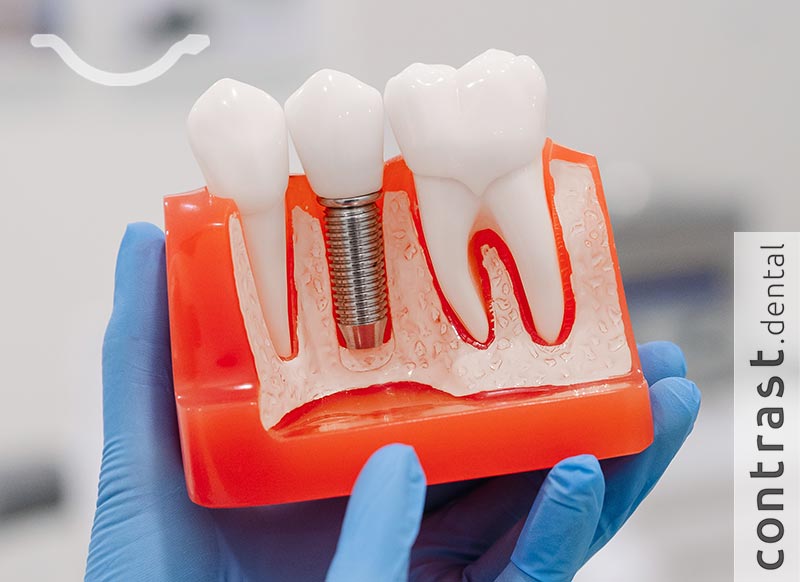 Dental implant surgery is a procedure that replaces damaged or missing teeth roots with titanium screws. Restored teeth function just like natural ones.
Advantages of Dental Implants
● Improved appearance. Restored teeth look and feel like your own teeth
● Improved speech. Dental implants allow you to speak without the worry that teeth might slip.
● Improved comfort. Implants eliminate the discomfort of removable dentures.
● Easier eating. Dental implants function like your own teeth, allowing you to eat your favorite foods with confidence and without pain.
● Improved self-esteem. Dental implants can give you back your smile and help you feel better about yourself.
● Durability. With good care, many implants last a lifetime.
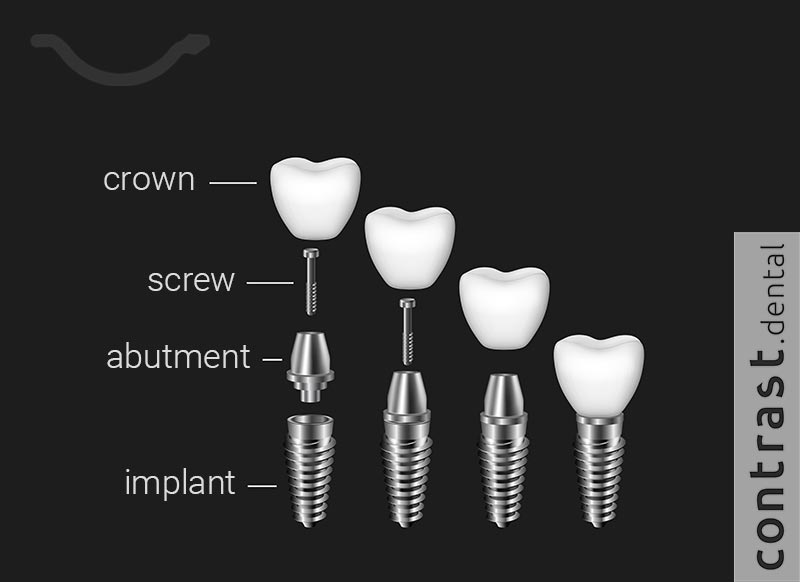 Dental implants have three parts
1. The implant: A screw that serves as a root for your new tooth.
2. The abutment: A permanent connector that supports and holds a tooth or set of teeth.
3. The screw: This is the part that connect an abutment to the implant.
4. The crown: This is the part of the tooth that you can see. It’s usually made of zirconium or porcelain for durability and good looks.
How dental implant surgery is performed depends on the type of implant and the condition of your jawbone.
Dental Implantation Process
● Jawbone grafting (when needed)
● Dental implant placement
● Bone growth and healing
● Healing abutment placement
● Artificial crown placement
Depending on your situation, the specific procedure done or the materials used, certain steps can sometimes be combined.
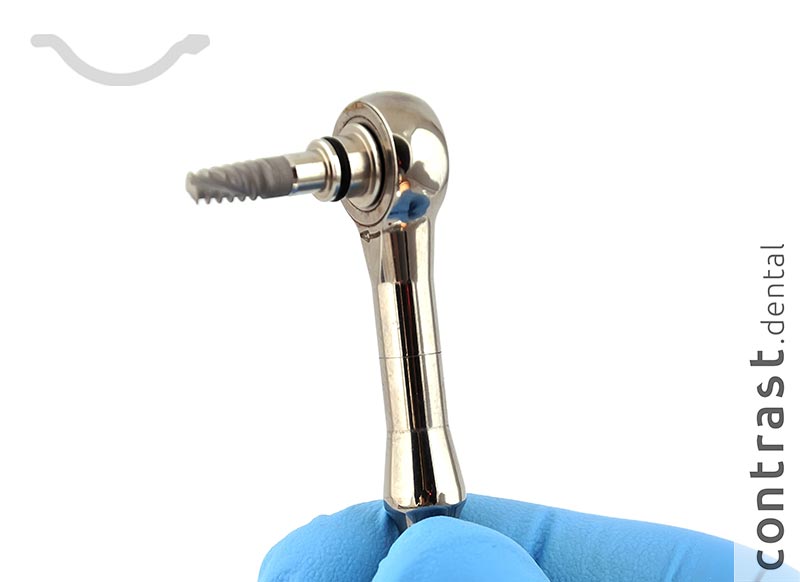 When dental bone grafting is required
If your jawbone isn't thick enough or is too soft, you may need bone grafting before you can have dental implant surgery.
Placing the dental implant
During surgery to place the dental implant, your oral surgeon makes a cut to open your gum and expose the bone. A hole is drilled into the bone where the dental implant will be placed.
Waiting for bone growth
During this process, the jawbone grows into and unites with the surface of the dental implant. This process, which can take several months.
Placing the healing abutment
● Your oral surgeon reopens your gum to expose the dental implant
● The healing abutment is attached to the dental implant
● The gum tissue is then closed around the healing abutment
After the healing abutment is placed, your gums must heal for about two weeks before the artificial crown can be attached.
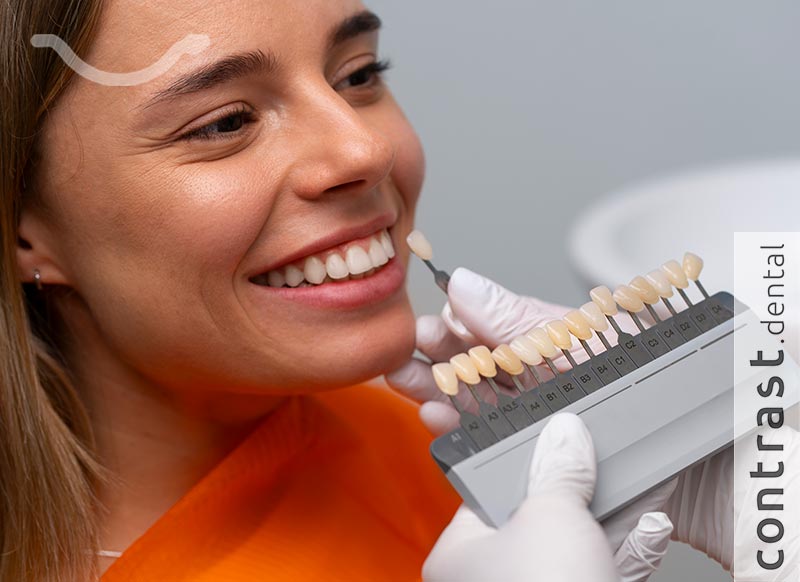 Choosing your new artificial crown
You can choose zirconium, ceramic or combined artificial crowns in the desired color and shape.
After the procedure
You may experience some of the typical discomforts associated with any type of dental surgery, such as:
● Swelling of your gums and face
● Pain at the implant site
● Minor bleeding
You may need pain medications or antibiotics after dental implant surgery and need to eat soft foods while the surgical site heals.
 You can help your dental implants last longer if you
● Practice oral hygiene. Just as with your natural teeth, keep implants, artificial crowns and gum tissue clean.
● See your dentist regularly. Schedule dental checkups to ensure the health and proper functioning of your teeth and implants.
● Avoid damaging habits. Don't chew hard items, which can break your crowns — or your natural teeth. Avoid tooth-staining tobacco and caffeine products.


