


 Appointment
 +374 44 47-11-11
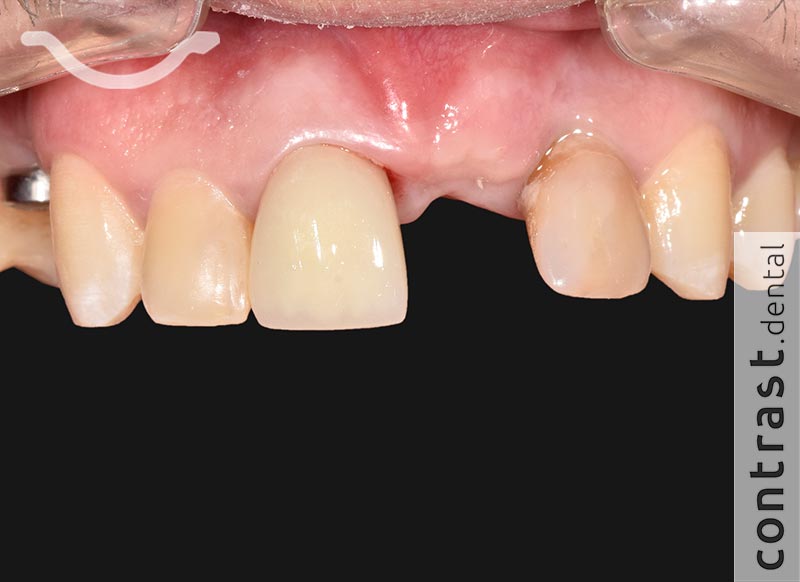 Tooth extraction is a surgical dental procedure in which a tooth is removed from the jaw. It is usually a last resort, used when other treatments (such as fillings or canal treatment) are not possible or are ineffective.
Due to the good anesthetic substances, tooth extraction is performed under local anesthesia. Depending on the patient's health different anesthetic may be used.
What relates to the tooth extraction process, if the doctor is literate and experienced, and the patient is careful and retrospective, as a rule, there are no complications.
Indications to tooth extraction
 ● Periodontitis that cannot be treated with therapy or surgery
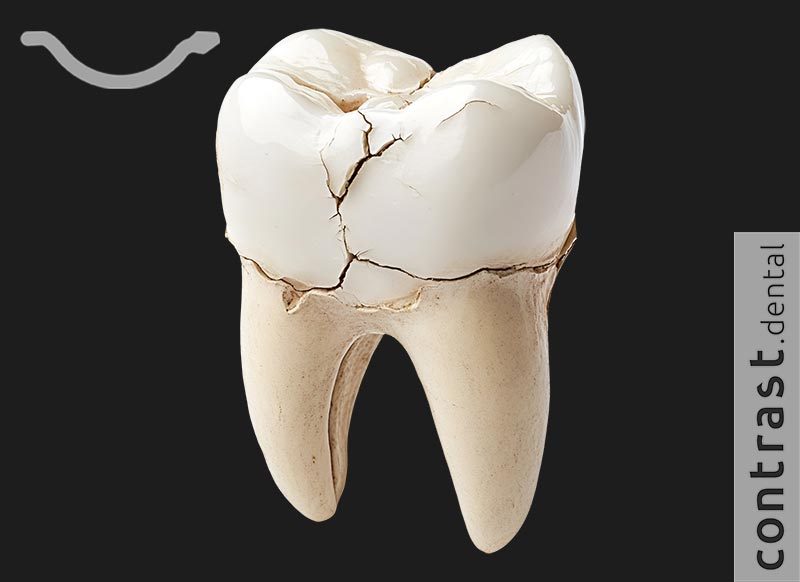
● A damaged tooth or root that cannot be recovered orthopedically
● Third-grade mobility
● Root caries is an indication for tooth extraction
● Exposure of root bifurcation
● In case of wrong biting system, the tooth is sometimes removed, which hinders the restoration process
● Wisdom teeth that are in the wrong position, cause mucosal damage and have a bad effect on the biting system
● Tooth fracture emerged because of trauma that cannot be treated surgically or orthopedically
● In case of a jaw fracture, the teeth that are in the fracture line have to be removed
Contraindications to tooth extraction
Contraindications are relative and depend on the person's condition at the time.
● Mental disorders in the exacerbation phase
● Cardiovascular and renal diseases in the exacerbation phase
● Infectious hepatitis in the acute phase
● Hemorrhagic diathesis
● Infectious diseases of the respiratory system
● The first and last trimester of pregnancy. First, second and ninth months are considered the most dangerous.
Level of difficulty of tooth extractions
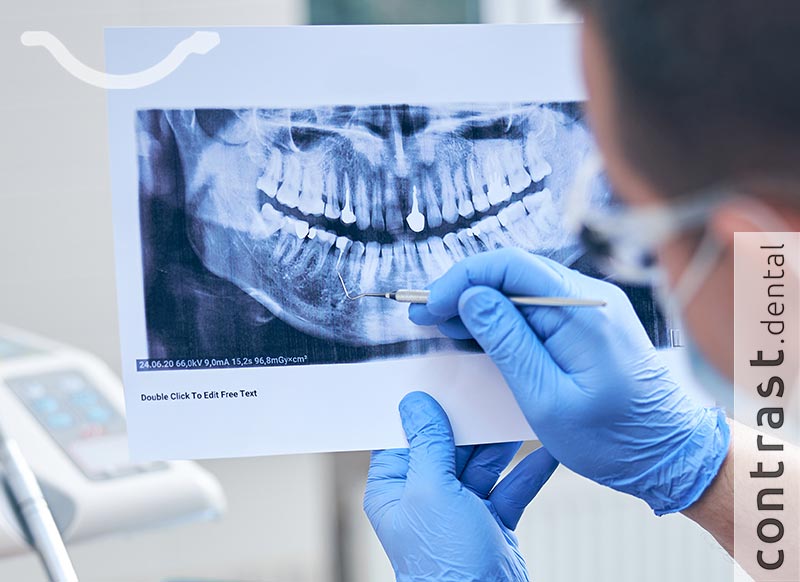
It is common to distinguish three degrees of difficulty of dental extraction:
● Simple
● Medium
● Complicated
Belonging to this or that group depends on many factors such as the anatomy of the tooth, the number and form of the roots or whether the tooth has completely appeared, or it is is still in the bone or is in the level of the gums. Another factor is to what degree has the tooth been treated before. All this makes the work hard and increases the possibility of complications.
After tooth extraction
After the extraction of a tooth, a large space is left and the neighboring teeth will eventually start to lean towards the defect. To avoid this and avoid traumatizing neighboring teeth, a dental implant is placed. Another alternative is a dental bridge, but this requires grinding and usually the removal of the nerves of the supporting teeth.


